Wednesday, 15 August 2018

“Stained with Blood: A Kashmir Story of Loss and Hope”

Last August, the blood in my land did not shed; it froze. In people’s eyelids, there were marks on their faces. The authorities say they have employed forces to bring peace.


Sofie cannot walk from one room to another without the support of the walls. She doesn’t know the meaning of the word ‘handicapped.’ She is young, and her self-esteem is yet to be injured.


The young army man’s heart is broken as he finds himself amidst a turbulent mob. The Kashmir he imagined and the Kashmir he has seen are vastly different. He will not be able to bring his family here and show them the snowfall on the hills of Gulmarg.


And those two brothers, whose coach thought they would become cricket’s next big stars, are now saddened every time they read the newspaper or hear the noise of a cricket match.


Their grandfather writes letters to the government regularly, saying, “Dear Prime Minister, why do you take the sins of so much destruction upon yourself?”


“It is just a piece of land that distresses you, troubles the army, and brings suffering upon us. Let’s split it up into two and gift half a heaven to Karachi and half a heaven to Delhi, leaving the people to see good days with their ears.”


Last August, in my land, another page was torn from the book of hope. A page in which we could have written promises, given assurances that our children would not be raised under the shadow of weapons. The leaves that fall from trees will not be drenched in blood.


Last August, the blood that shed in my land was ours…


#6,221 pellet gun injuries reported in unrest after Burhan’s killing.

#India revises Kashmir death toll to 47,000.

#8-month-old killed, 6 injured as Pak troops fire at border posts and villages in Jammu.

#167% increase in civilian deaths in Kashmir.

#185 soldiers killed in Jammu and Kashmir in the last 3 years.


THIS YEAR, WE CELEBRATE 72 YEARS OF INDEPENDENCE,

WHILE JAMMU AND KASHMIR IS STAINED WITH BLOOD.


जिन्हें नाज़ है हिन्द पर वो कहाँ हैं ?

Wednesday, 13 June 2018

The Depth of Desire and Hate: A Reflection on “Fire and Ice”


Some say the world will end in fire, and others say in ice. These words from Robert Frost’s poem, famously featured in Game of Thrones, are much more than just poetic imagery; they carry deep layers of meaning about human nature, emotions, and the destructive forces that shape our world.


“From what I’ve tasted of desire, I hold with those who favor fire.” Desire, as the poem suggests, is an intense, consuming force. It can ignite passion, ambition, and creativity, but it can also burn through everything in its path. The fire symbolizes the fiery passions within us—the drive that pushes us to achieve greatness, but also the destructive force that can ruin everything we hold dear if unchecked.


Yet, the poem doesn’t stop at fire. It goes further, acknowledging the quieter, more insidious force of hate, represented by ice. “But if it had to perish twice, I think I know enough of hate to say that for destruction, ice is also great and would suffice.” Hate is colder, more calculated, and just as capable of destruction as the heat of desire. It may not be as obvious as fire, but its coldness and bitterness can slowly consume everything, like an ice age sweeping across the land. Hate, like ice, can erode the foundation of relationships, peace, and even societies over time, leaving nothing but emptiness and loss.


What I find so thrilling about this poem, especially in the context of Game of Thrones, is how it captures the two powerful emotions that have shaped human history—desire and hate—and the ways in which they both bring about destruction. In the world of Westeros, as in our own, we see how characters’ desires for power and revenge ignite fires, while their hates chill and destroy the very fabric of society.


When we think about this poem in our own lives, it serves as a reminder that both extremes—passion and hatred—are forces to be reckoned with. Whether it’s the heat of our desires or the coldness of our hatred, both can lead to the downfall of not just the world around us, but ourselves. And in the end, maybe the real challenge is finding a balance—one that doesn’t let fire consume us or ice freeze us, but instead allows us to live with compassion, understanding, and purpose.


This poem resonates so deeply because it’s a reflection of the human condition—our tendency to seek more, to desire, to feel, and sometimes, to hate. And in doing so, we often forget the cost of these emotions on both the world and ourselves.


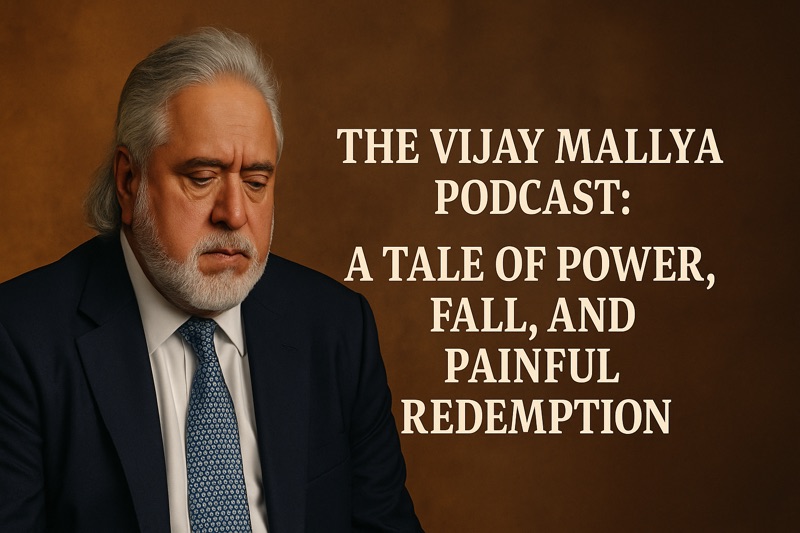
The Vijay Mallya Podcast: A Tale of Power, Fall, and Painful Redemption

It’s rare for a podcast to leave you with a lump in your throat, a heaviness that lingers long after the voices fade. Raj Shamani’s four-hou...